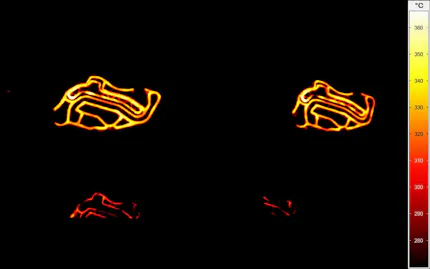
Thermography of Plastics in Manufacturing and Processing
When processing plastics and manufacturing plastic products, temperature control plays a decisive role in determining the properties and quality of the end products. Thermography is ideally suited for continuous, large-area temperature measurement in these manufacturing and processing operations. This non-intrusive method contributes to process stability, higher product quality, and lower scrap rates.
Thermography on plastic materials enables,
early detection of defects,
efficient monitoring and control of processes, and
reduced waste and energy consumption.









Plastic materials are among the most important materials used in nearly every area of modern life. Typical plastic-based products manufactured in large quantities include pipes, seals, adhesives, fillers, insulating materials, packaging, and molded parts.
Thermal imaging is used by manufacturers of plastic products and in plastics processing for the following purposes:
Monitoring thermal process management,
Monitoring and optimization of process-relevant temperatures, as well as
Quality assurance and control during the manufacturing or processing process.
The non-intrusive measurement and testing method can also be used to detect defects such as cavities and cracks and to test various material properties without causing damage. Thermography also provides valuable support for the further development of plastic products.


Applications of plastics in which thermography is used
Application of Thermal Imaging in Various Manufacturing and Processing Methods
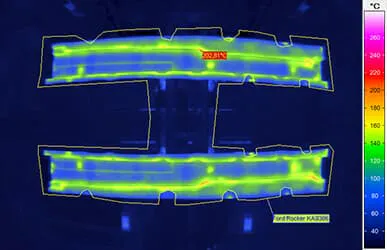
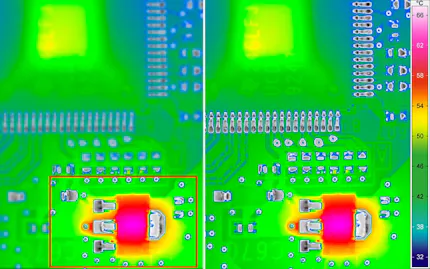
Contact measurements or pyrometers provide only a limited number of discrete measurement points. In contrast, an infrared camera offers the significant advantage of providing a complete picture of the temperature distribution at any given time, without any impact on the test piece. With the help of thermography, it is possible, for example, to ensure that injection molding or deep-drawing molds have the required temperature or temperature distribution and that the components manufactured in them meet the specified technical properties.
Thermal imaging provides temperature measurement capabilities across numerous processes in plastics manufacturing and processing. Despite the wide variety of technologies involved, this method consistently delivers reliable temperature measurement data for process control and optimization, occasionally even by indirect means*.
* Since metal molds, for example those used in injection molding, strongly reflect ambient radiation, they are less suitable for direct thermographic measurements. A commonly used alternative is to measure the temperature of the workpiece immediately after opening the mold.
Plastic Welding
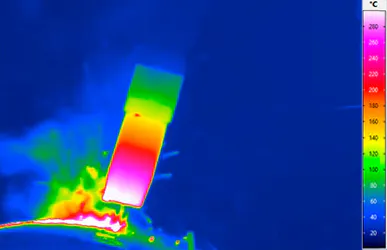
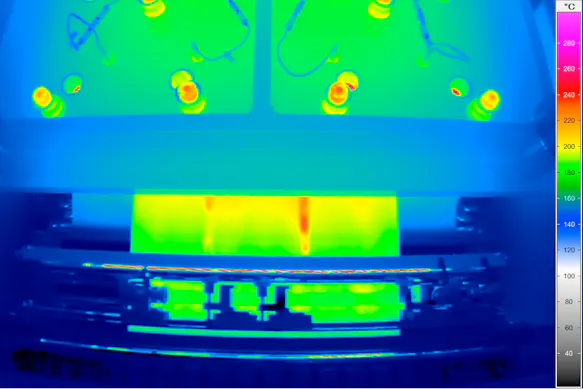
Plastic welding is a process for permanently joining thermoplastics, in which the surfaces to be joined are fused together using heat and pressure. Heat sources such as electric induction heaters, hot compressed air, light or laser radiation are used for melting. Alternatively, the plastic can also be melted by friction.
If the material’s melting point is not achieved, no stable bond is formed. Conversely, excessively high temperatures can lead to thermal decomposition of the plastic and thus to failure of the welded joint. Therefore, precise temperature monitoring during plastic welding is essential. The use of an infrared camera ensures consistently high-quality end products and reduces the scrap rate. Furthermore, thermal imaging can help identify opportunities for energy savings.
In plastic welding, infrared cameras operating in the mid- or long-wave spectral range are used to provide a detailed view of temperature distribution. Cooling processes can be easily documented using temperature-controlled imaging. The IRBIS® 3 software package provides powerful tools for analyzing this data.

Benefits and Advantages of Plastic Welding
Precise adherence to melting temperature
Seamless monitoring of welding processes
Reduction in scrap and rework
Lower energy consumption


Injection Molding
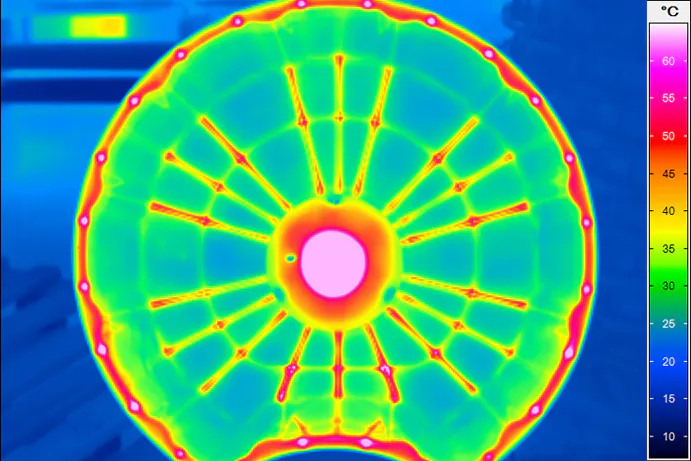
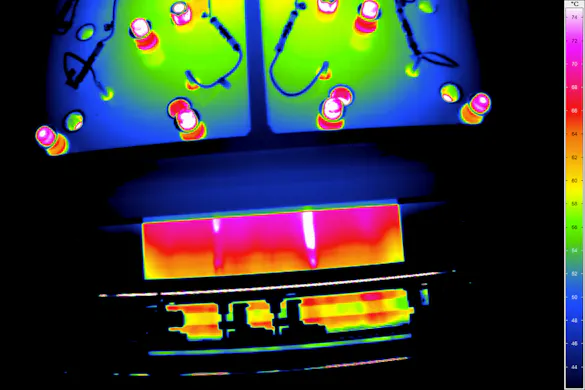
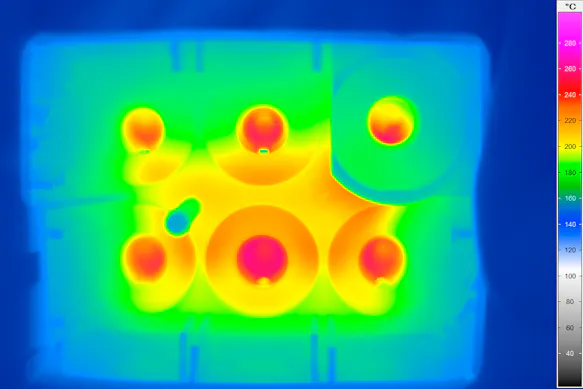
One of the most important processes for manufacturing parts from various thermoplastics is injection molding. When processing these plastics, the specified temperatures must be maintained precisely. The same applies to the temperature of the injection molds used: deviations caused by incorrect process parameters or, for example, defects in the mold’s cooling system may lead to significant quality issues.
In injection molding, thermographic measurement of the surface temperature on the often highly polished metal molds is often challenging or time-consuming during the ongoing production process. Measuring the plastic part while the mold is open, shortly before complete demolding, yields easily interpretable results. This is particularly important in the manufacture of parts made from plastics such as polyphenylene sulfide (PPS), where very tight tolerances need to be maintained.
Injection molding parameters such as injection temperature, mold temperature, and cooling time strongly influence the quality of the resulting plastic products. If, for example, the workpiece is removed from the mold too early, the heat stored in the material can lead to warping. Irregular cooling, on the other hand, often results in varying densities within the injection-molded part. The temperature of the tools also significantly influences the surface gloss and the crystalline structure of the plastics.
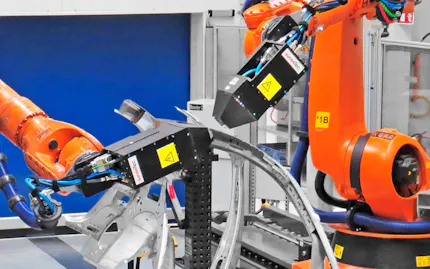
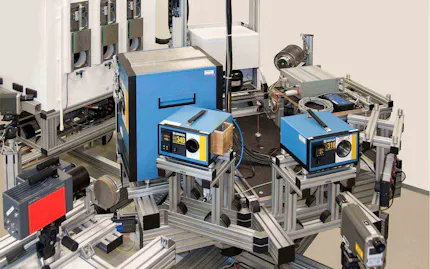
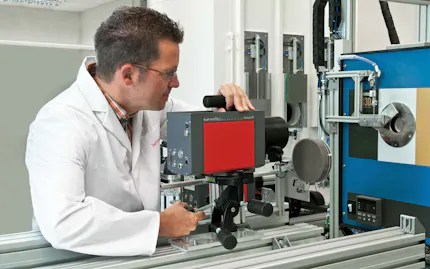
For cycle-accurate recording of temperature-time curves and to guarantee the geometric consistency of each molded part measurement, the infrared camera must be mechanically fixed to the equipment. When combined with external triggering, this produces an accurate temperature map of the mold surface, which simultaneously enables geometric alignment with the component.

Benefits and Advantages of Thermal Imaging in Injection Molding
Maintaining precise process temperature
Ensuring the quality of molded parts (strength, dimensional accuracy, surface finish)
Early detection of defects (for example, caused by uneven temperature control or faults in the cooling system)
Reducing scrap and increasing process stability
Extrusion
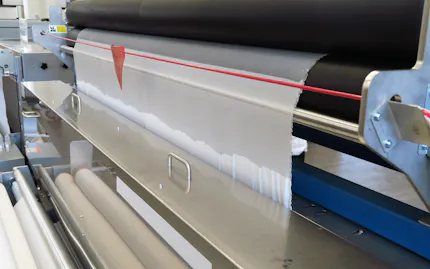
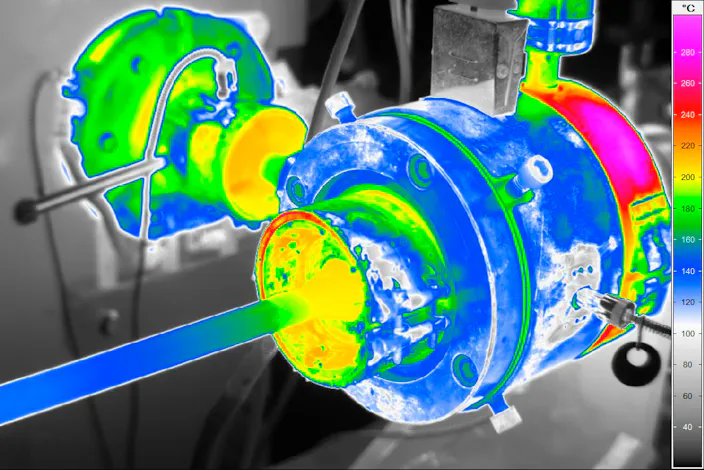
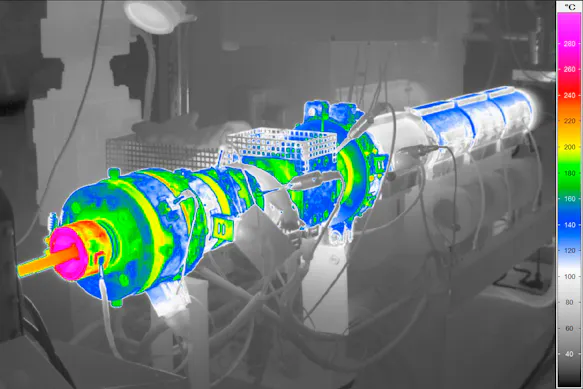
In addition to injection molding, extrusion is one of the most important processes for manufacturing plastic products. In this process, plastics in a viscous state are continuously forced through a nozzle. Extrusion allows for the cost-effective production of large quantities of items such as sheets, pipes, and profiles.
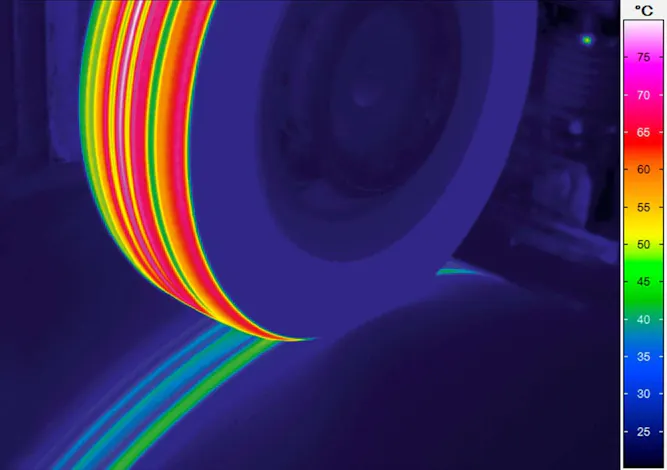
Thermography can be used for in-line monitoring of the quality of extruded products. By analyzing the temperature distribution at the exit from the die, surface defects such as streaks or dents can be reliably detected. Defects in the material, such as air pockets or inclusions, are also clearly visible in the thermogram. These defects can be identified by deviations from typical temperature profiles.

Benefits and Advantages of Thermal Imaging in Extrusion
Early detection of material defects (for example, air pockets)
Ensuring product quality (uniform wall thickness, homogeneous surfaces)
Continuous in-line monitoring to reduce scrap
Deep Drawing
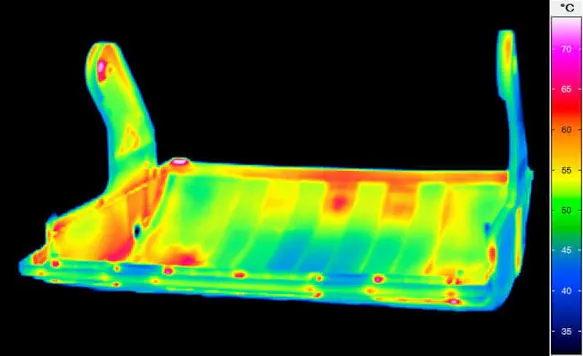
In deep drawing of plastics (thermoforming, vacuum deep drawing, or vacuum forming), a thermoplastic sheet or film clamped into a frame is heated on both sides, for example, by radiant heat. Once the plastic reaches its softening temperature, the material is drawn into a temperature-controlled mold using a vacuum or pressed into it using positive pressure. In the process, the plastic conforms to the mold contour. The mold is then cooled below the plastic’s softening temperature so that the thermoformed part permanently retains the shape it has taken.
Thermography allows continuous monitoring of uniform temperature distribution during the heating process. Temperature measurements are taken immediately after the mold is opened. If deviations are detected, the temperature control can be adjusted to ensure product quality.
Benefits and Advantages of Thermal Imaging in Deep Drawing
Precise monitoring of workpiece temperature
Ensuring dimensional and shape accuracy
Quality assurance of the surface
Early detection of defects and prevention of scrap
Additive Manufacturing of Plastic Products
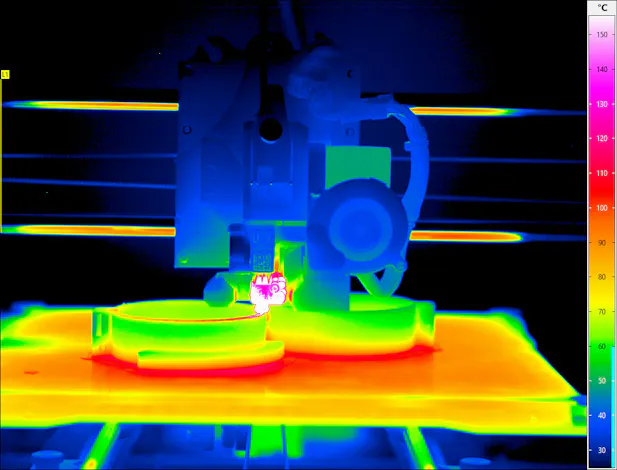
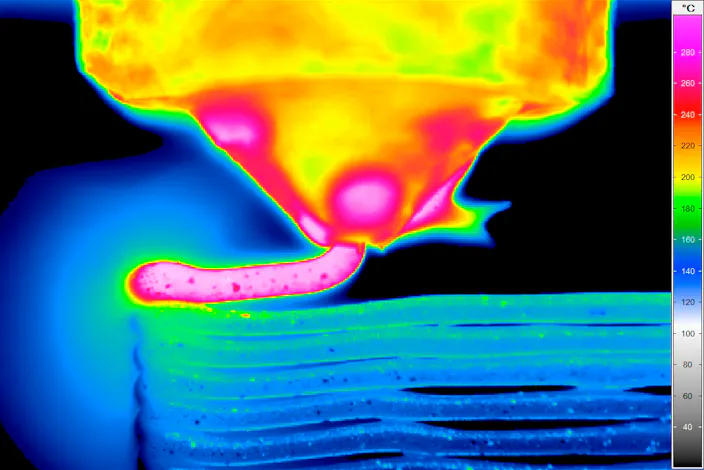
In additive manufacturing processes, a component is produced based on 3D CAD data by adding molten material in successive layers. Temperature is a critical process parameter both during the deposition of the melt and during the solidification of the plastic. It can be measured and monitored in real time using infrared cameras, with high spatial resolution and high measurement speed.
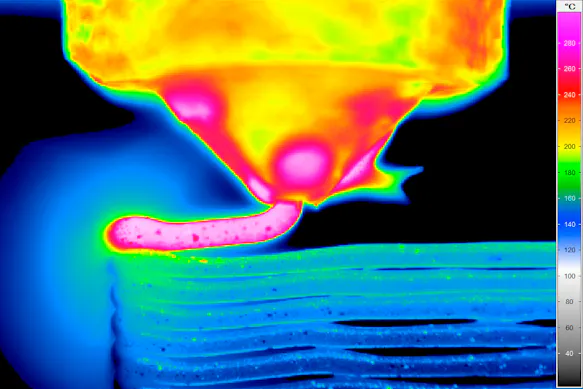
Benefits and Advantages of Thermal Imaging in Additive Manufacturing
Consistent component quality through precise process control
Early detection of defects in real time
High precision, even with complex geometries












Applied Thermographic Methodes
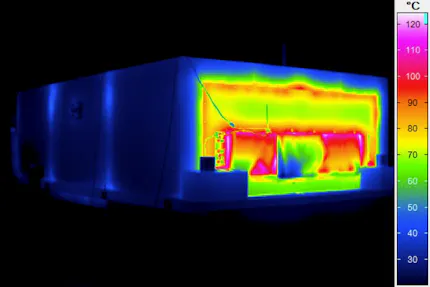
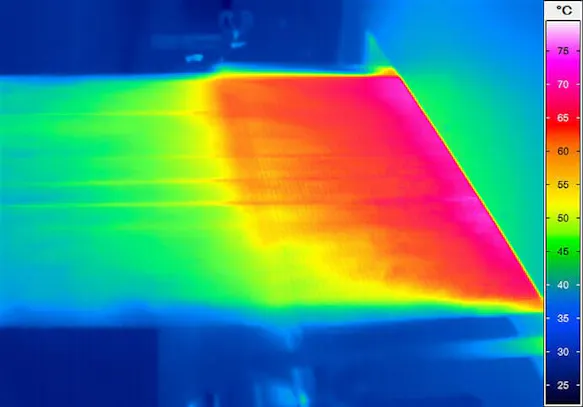
In most manufacturing and processing operations, the workpiece to be examined or the material used is at least partially at an elevated temperature. Using passive thermal imaging, these temperatures can be measured quickly over a large area and compared with specifications. The method is therefore ideally suited for continuous process monitoring but can also be used as passive heat flux thermography for quality control. Active thermography, on the other hand, focuses on the temporal thermal behavior following an external stimulus. The method is therefore preferred for random quality control of workpieces.


Passive Thermography
The surface temperatures of the test object, which are influenced by process or environmental factors, are visualized using thermography. Thermal anomalies can indicate defects such as insufficient heating but also defects within the test object. These act as barriers and disrupt the heat flow inside, which is reflected in the temporal evolution of the temperature distribution on the surface.
Active Thermography
Active thermography requires the test specimen to be excited using an external source (flash lamp, halogen lamp, etc.). The energy input triggers a heat flow within the workpiece. If the workpiece does not exhibit uniform thermal conductivity, this manifests as an inhomogeneous temperature distribution on its surface. An infrared camera synchronized with the excitation source can thus detect deviations in layer structure, defects, or air pockets.
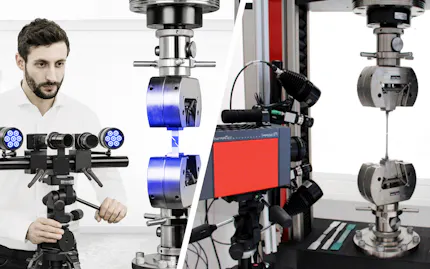
In addition to process and quality control, passive and active thermography can also be used in plastics research and development. Furthermore, plastics can be analyzed to assess and optimize their properties through thermomechanical stress tests (also known as thermoelastic stress analysis, or TSA). This involves examining the mechanical and thermal behavior of the test specimen under cyclic elastic deformation.
Based on the physical fact that materials exhibit a thermal response when deformed infrared cameras can be used to detect typical temperature changes and thus thermal signatures. It should be noted here that, strictly speaking, TSA can only be applied to isotropic materials, whereas polymer and fiber-reinforced composites are often anisotropic or orthotropic (that is, they have direction-dependent properties). Therefore, restrictions apply to analyses of these materials, or alternative models must be used to describe the relationship between deformation and thermal response.
Challenges and Influencing Factors in Thermal Imaging of Plastics
Depending on the raw material, manufacturing process, and additives used, plastics vary in terms of surface texture, emissivity, temperature resistance, and other properties. This complicates thermographic temperature measurement and non-destructive analysis of plastics – standard solutions rarely achieve the desired results in these cases. The thermographic system used must therefore be precisely tailored to the measurement task or be capable of adapting flexibly to it.
Which factors influence thermographic measurement on plastics?
The variety of available plastics and their modifications with fillers and colorants makes it impossible to specify a universally applicable emissivity. In practice, however, an emissivity of (0.90 ... 0.95) can generally be assumed, particularly for solid materials. This allows for trouble-free measurement on surfaces with a very high degree of measurement reliability. When conducting an analysis of plastic films, however, the dependence of emissivity on film thickness must be considered (see spectral properties).
As with other materials, plastics can exhibit varying surface textures—and thus different emissivities—depending on their processing state or the object’s temperature. To ensure reliable measurement results, these variations must be accounted for using correction models.
Depending on their chemical composition and molecular structure, plastics exhibit a characteristic spectral profile of emissivity or transmittance. Depending on the wavelength, broad regions of high transmittance alternate with narrow absorption bands. The high emissivity within these absorption bands enables reliable infrared temperature measurement even on thin films.
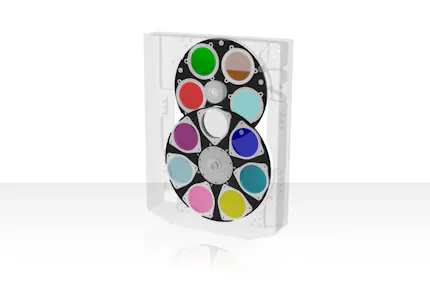
For temperature measurement on plastics, it is recommended to equip infrared cameras with special spectral filters that allow only IR radiation in the characteristic absorption bands to pass through. One of the most important and practically useful spectral bands is at 3.4 µm. It can be used, for example, for measurements on thin films made of PE or PTFE.er liegt bei 3,4 µm. Es kann z. B. für die Messung an dünnen Folien aus PE oder PTFE verwendet werden.
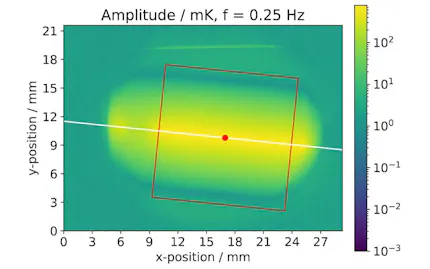
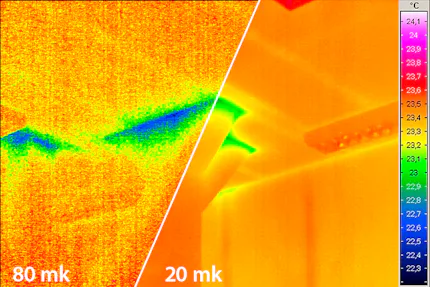
The temperature differences observed during the analysis of plastic parts are often so small that the thermographic cameras used must have high thermal sensitivity. This ensures that even defects indicated only by the slightest temperature differences on the component surface can be reliably detected. Furthermore, methods such as Lock-in Thermography (a form of active thermography) can visualize even temperature differences in the mK and µK range.
Many processes involved in the production and processing of plastics occur at high speeds. To reliably detect even small temperature differences during rapid changes without distortion, infrared cameras with high frame rates and short integration times are required.













Choosing the Appropriate Infrared Camera
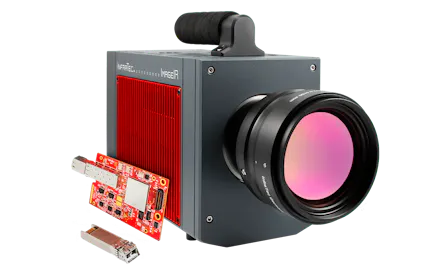
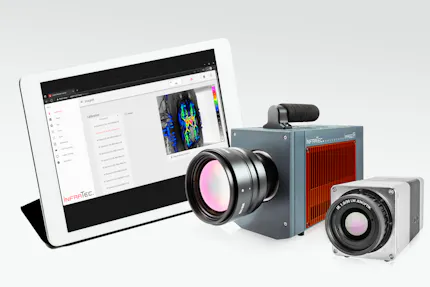
Various thermography systems are available for thermography of plastics:
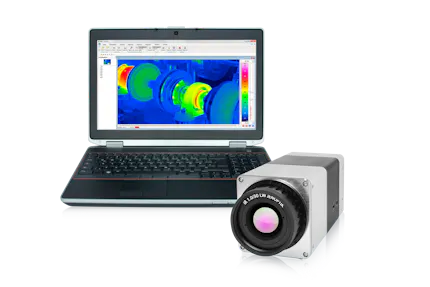
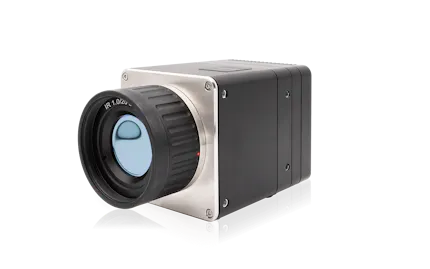
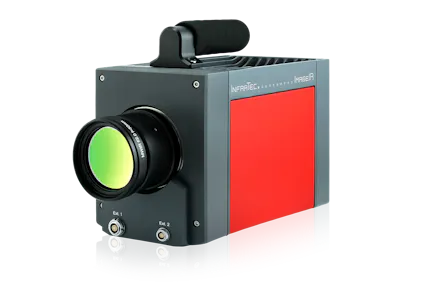
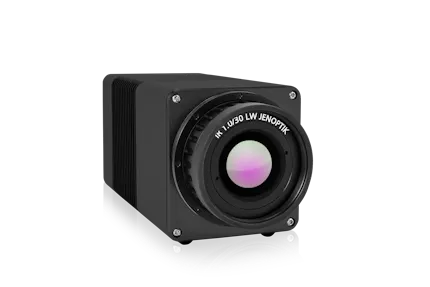
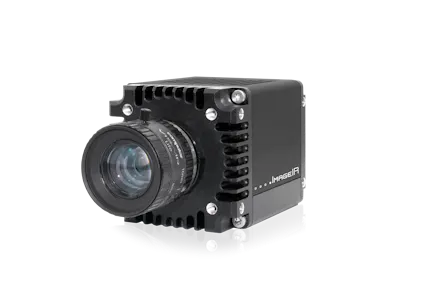
Compact models (for example, TarisIR® mini)
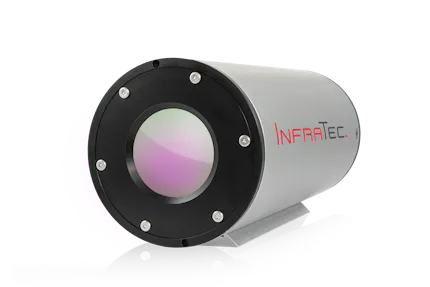
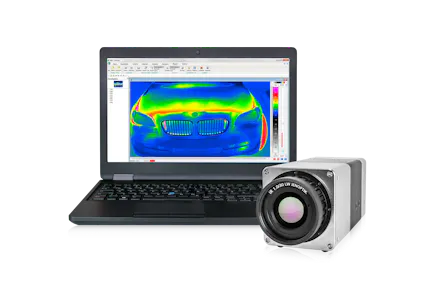
→ Ideal for permanent integration into production linesSystem cameras (for example, VarioCAM® HD head)
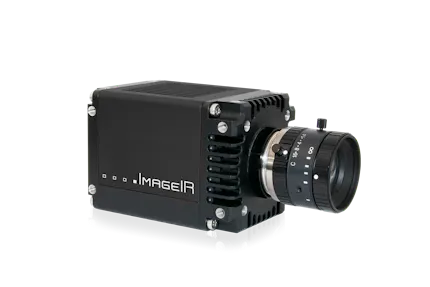
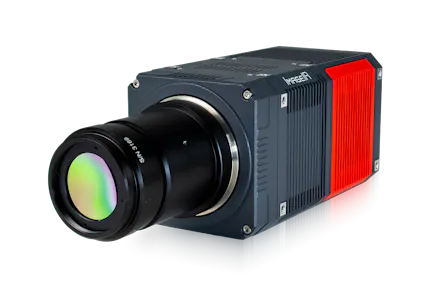
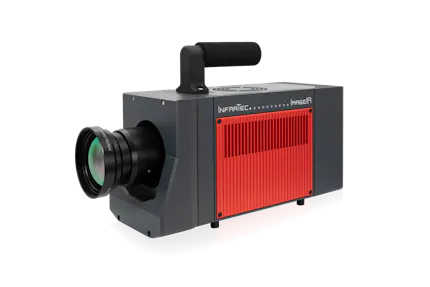
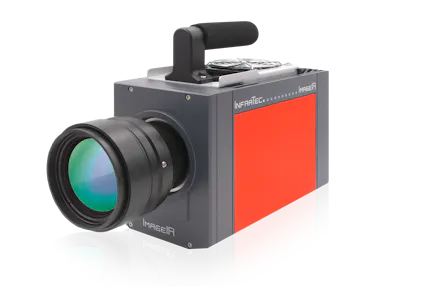
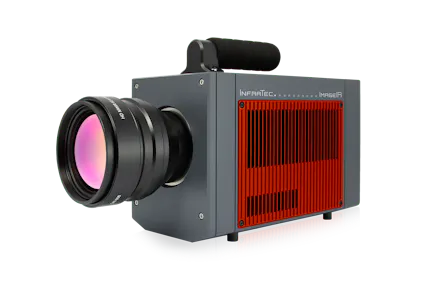
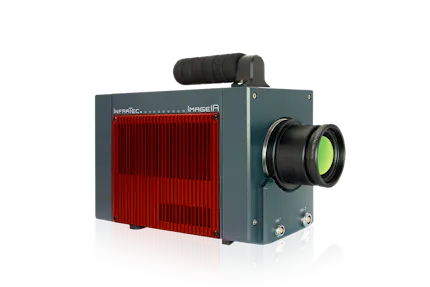
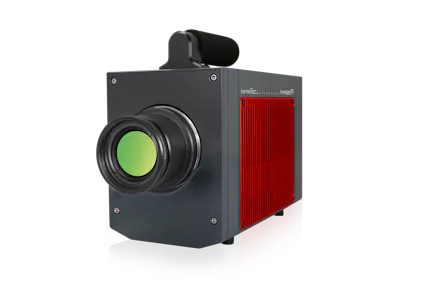
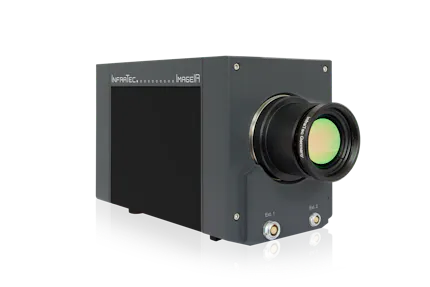
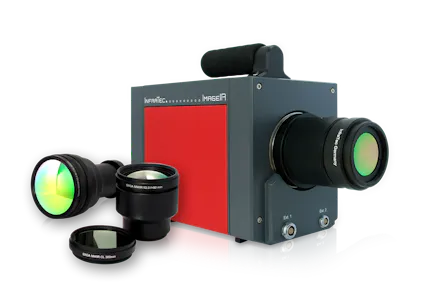
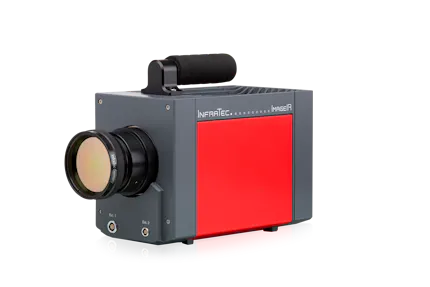
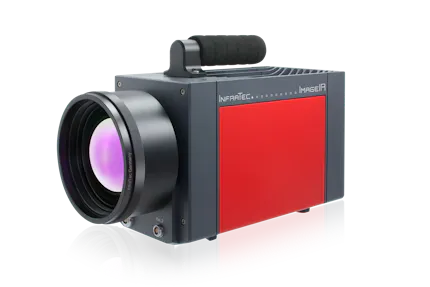
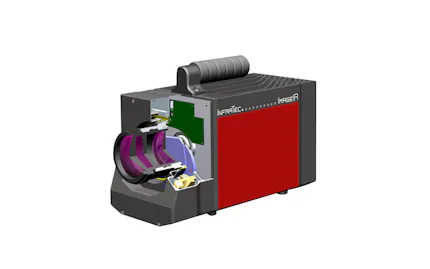
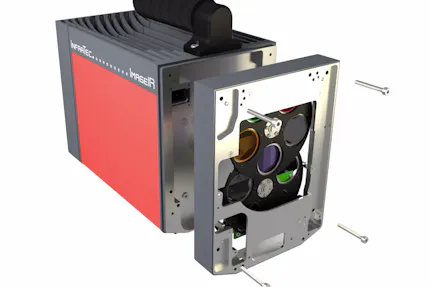
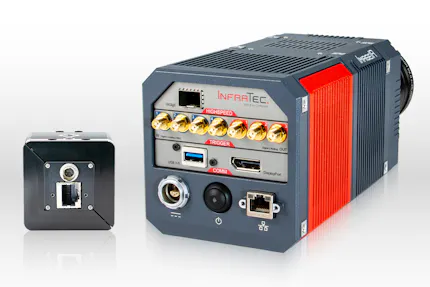
→ Precise measurements with high spatial resolutionHigh-end cameras (for example, ImageIR® series)
→ Ideal for fast, dynamic processes
Main Criteria for Selection:
Thermal and spatial resolution of the infrared camera
Processing speed (integration time)
Intelligent control and analysis
Depending on the specific purpose of the analysis, various features of infrared cameras become key factors in the selection process:
Quality Assurance
High thermal resolution is required to detect even the smallest defects (detection of temperature differences as small as 20 mK)
High measurement speed for fast processes
Ensuring Precision on the Product Line
High spatial resolution = precise mapping of measurement points to components
Reproducible, comparable measurements throughout the entire production process
Measurement independent of the camera-to-object distance
Thermal Imaging in Dynamic Processes
High frame rates for fast manufacturing processes (for example, additive manufacturing)
Integration of stationary infrared cameras into production processes
Immediate correction of temperature deviations via intelligent software
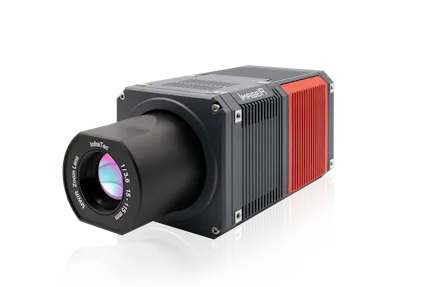
Given the wide variety of plastics, it is generally advisable to use flexible thermography systems. This allows parameters such as distance, focus, frame rate, and emissivity to be easily adjusted to the specific measurement task. Certain InfraTec camera models, for example, feature an integrated motor focus. Automatic focusing of the selected measurement area supports efficient operation and the acquisition of precise temperature measurement data.
Thermography System Flexibility for Different Plastics
Adjustable parameters: distance, focus, frame rate, emissivity
Motor focus for automatic focusing and efficient measurements
High data quality under varying conditions


Would You Like to Know More?
It is not unusual for tasks to be associated with special requirements. Discuss your specific application needs with our specialists, receive further technical information or learn more about our additional services.